What Is Pre and Post Op Care and Strength?
Pre and post op care and strength are important parts of surgery recovery. Before surgery, doctors and therapists help you prepare your body. This is called pre-operative care. After surgery, you need help to heal and get strong again. This is called post-operative care. Both steps help make sure you recover well and avoid problems. In many cases, physical medicine and rehabilitation experts guide you through these stages. They use special plans to help you move, build strength, and stay safe.
Why Is Pre and Post Op Care Important?
Proper care before and after surgery can make a big difference. For example, it can help you heal faster and lower your risk of problems. According to the World Health Organization, good care can also help you get back to daily life sooner. Because your body is under stress during surgery, you need extra support. With the right care, you can:
Therefore, both pre and post op care are key for a smooth recovery.
Common Pre-Operative Strengthening Techniques
Before surgery, building strength helps your body handle the stress of the operation. In fact, many physical therapy clinics near you offer special programs for this. These programs may include:
Because everyone is different, your therapist will choose exercises that fit your needs. Sometimes, you may also learn how to use crutches or walkers before your surgery.
Post-Operative Rehabilitation and Strength Recovery
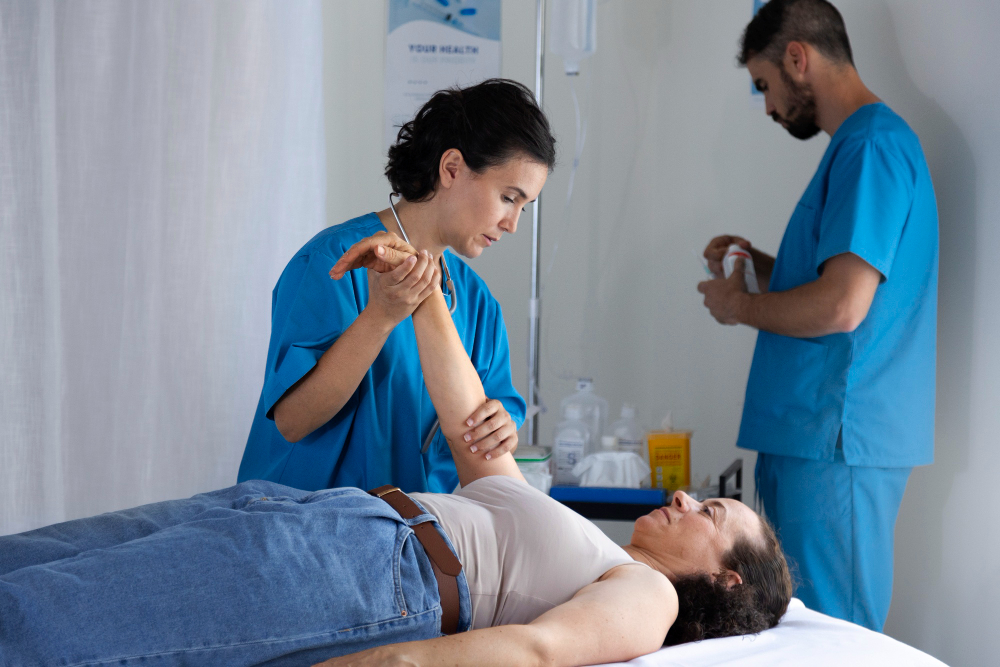
After surgery, rehabilitation helps you heal and regain strength. For example, physiotherapy for surgery recovery often starts soon after the operation. Your care team will guide you through safe movements. They may use:
Because early movement is important, your therapist will help you start as soon as it is safe. Over time, you will do more advanced exercises to get back to your normal activities.
Tips for a Safe Recovery at Home
Once you leave the hospital, you still need to take care at home. For instance, following your care plan can help you heal faster. Here are some tips for safe recovery:
Because everyone heals at a different pace, talk to your care team if you have questions. They can adjust your plan as needed.
Preventing Complications During Recovery
Even with good care, problems can sometimes happen after surgery. However, you can take steps to lower your risk. For example, you can:
Because your safety is important, always report new symptoms right away. With the right support, you can recover well and return to your daily life.
Consult Dr.Lavanya Telagani now