What is Visceral Osteopathy?
Visceral osteopathy is a type of manual therapy. It focuses on the organs in your belly, such as the stomach and intestines. Practitioners use gentle hands-on techniques to help these organs move and work better. Many people seek visceral osteopathy for bloating and digestive discomfort. While it is not a replacement for medical care, it may support your overall digestive health.
How Does Visceral Osteopathy Work?
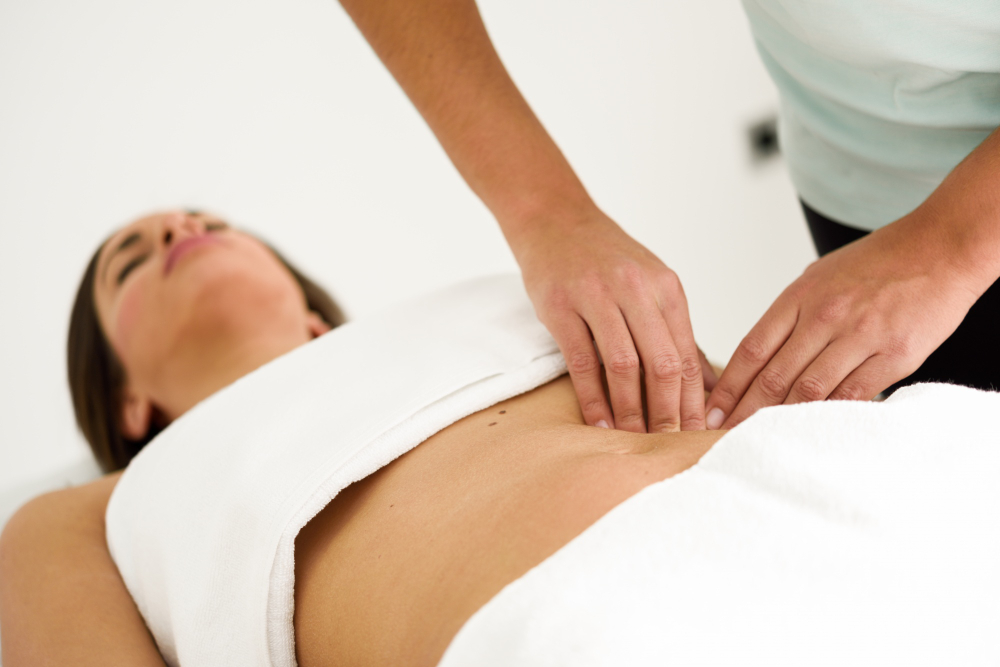
First, a trained osteopath uses their hands to feel for tension or tightness in your abdomen. Then, they apply gentle pressure and slow movements. As a result, these techniques may help your organs move more freely. Some believe this can improve blood flow and nerve signals. Because of this, your digestion may work better and discomfort may decrease. However, always talk to your doctor before starting any new therapy.
Common Symptoms Addressed (Bloating and Digestive Discomfort)
Many people experience bloating or digestive discomfort at some point. Visceral osteopathy aims to help with:
Sometimes, these symptoms can affect daily life. Gentle abdominal techniques for bloating may offer some relief for mild symptoms.
Causes of Digestive Discomfort and Bloating
There are many reasons why people feel bloated or have digestive discomfort. For example, common causes include:
Because symptoms can have many causes, it is important to rule out serious problems with your doctor.
Visceral Osteopathic Techniques: Gentle Abdominal Methods
During a session, the osteopath uses gentle abdominal techniques for bloating and discomfort. These methods include:
Because these techniques are gentle, most people find them relaxing. However, always let your practitioner know if you feel pain or discomfort.
Evidence and Safety of Visceral Osteopathy
Some small studies suggest that visceral osteopathy may help with mild digestive symptoms. For example, a review in the journal Frontiers in Medicine found some benefit for people with IBS. However, larger studies are needed to confirm these effects. According to the World Health Organization, manual therapies should be used alongside, not instead of, regular medical care. Most people tolerate visceral osteopathy well. Still, it is important to see a trained and licensed practitioner.
What to Expect During a Session
First, your osteopath will ask about your symptoms and health history. Next, you will lie on a treatment table, usually on your back. The practitioner will use their hands to gently feel your abdomen. Then, they will use slow, careful movements to work on the tissues and organs. Sessions often last 30 to 60 minutes. Many people feel relaxed during and after the treatment. However, you may need several sessions for best results.
Lifestyle Tips for Digestive Health
Alongside visceral osteopathy, healthy habits can support your digestion. For example, you can:
Because lifestyle plays a big role in digestion, small changes can make a difference over time.
Prevention and When to Seek Medical Advice
Sometimes, simple steps can help prevent bloating and discomfort. For example, avoid foods that trigger your symptoms and keep a food diary. However, if you notice severe pain, blood in your stool, weight loss, or ongoing symptoms, see your doctor right away. These signs may point to a more serious problem. While visceral osteopathy may help with mild symptoms, it is not a cure for medical conditions. If you have concerns about your digestive health consult Dr.Lavanya Telagani .