Many people struggle with back pain or injuries. Clinical Pilates for back pain and injury recovery offers a gentle, effective way to heal. Unlike regular Pilates, this approach uses special exercises designed by health experts. As a result, it helps reduce pain, improve strength, and support safe rehabilitation. Because it is tailored to your needs, Clinical Pilates can be a key part of your recovery plan.
What Is Clinical Pilates?
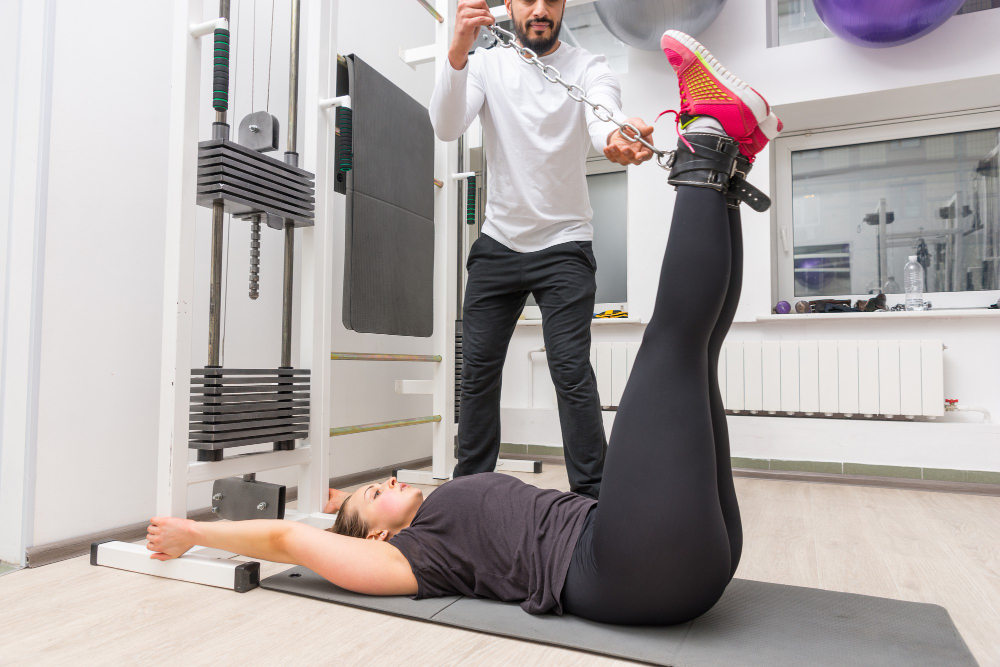
Clinical Pilates is a type of exercise program. It blends traditional Pilates with modern medical knowledge. Usually, a trained physiotherapist or healthcare professional leads the sessions. In many cases, they adjust the exercises to fit your injury or pain level. For example, they may change the moves to protect your back or joints.
Because it is evidence-based, Clinical Pilates is often used in rehabilitation clinics and hospitals.
How Clinical Pilates Supports Back Pain Recovery
Back pain is common and can affect daily life. However, Clinical Pilates for back pain uses gentle exercises to help your body heal. These moves target the muscles that support your spine. As a result, you may notice less pain and better movement.
According to the World Health Organization, exercise is a key part of back pain treatment. Clinical Pilates fits this advice by offering safe, guided movement.
Benefits of Rehab-Focused Pilates for Injury Recovery
Rehabilitation Pilates for back pain and other injuries offers many benefits. Not only does it help you heal, but it also lowers the risk of future problems. For example, people recovering from sports injuries or surgery often use Clinical Pilates as part of their rehab plan.
Because each program is tailored, you get exercises that match your needs and goals.
Key Principles and Techniques Used in Clinical Pilates
Clinical Pilates uses several key principles. These guide every session and help keep you safe. For instance, your instructor will focus on how you breathe and move during each exercise.
Common exercises include gentle leg lifts, bridges, and stretches. However, your instructor may modify these moves to fit your injury. Safe Pilates exercises for rehabilitation are always adjusted to your comfort and ability.
Who Can Benefit from Clinical Pilates?
Many people can benefit from Clinical Pilates. For example, it helps those with:
Even if you have never tried Pilates before, you can start with gentle, rehab-focused sessions. Because each program is customized, people of all ages and fitness levels can join.
Safety Tips and Precautions
While Clinical Pilates is safe for most people, it is important to follow some safety tips. First, always work with a qualified instructor. In addition, tell your instructor about any pain or injuries before starting.
Because Clinical Pilates is tailored, your instructor can change exercises to keep you safe. The Centers for Disease Control and Prevention (CDC) recommends supervised exercise for injury recovery.
How to Get Started with Clinical Pilates
Getting started with Clinical Pilates is simple. First, look for a clinic or studio that offers rehabilitation Pilates for back pain or injury recovery. Many cities have trained physiotherapists or certified instructors who can help.
Because every injury is different, your instructor will create a plan just for you. With the right support, Clinical Pilates can help you move better and feel stronger over time.
Conclusion
If you are ready to start your recovery journey, contact Dr.Lavanya Telagani for a personalized Clinical Pilates program. Take the first step toward less pain and better movement with expert support.