
What is Tendonitis?
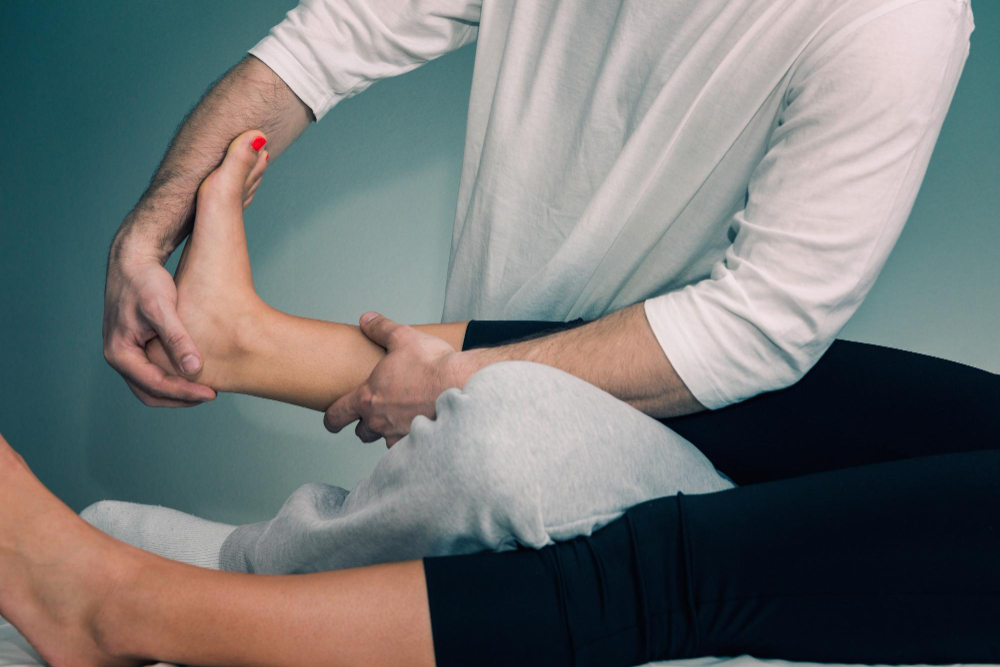
Tendonitis is swelling or irritation of a tendon. Tendons are strong cords that connect muscles to bones. When these cords get overused or injured, they can become sore and swollen. Often, tendonitis affects the shoulder, elbow, wrist, knee, or ankle. Early care and proper treatment can help you heal faster. Many people find relief with tendonitis physiotherapy exercises and gentle care at home.
Common Symptoms of Tendonitis
Usually, tendonitis causes pain near a joint. However, symptoms can vary. You may notice:
Sometimes, the pain is mild at first. But, it can get worse if you keep using the joint.
Causes and Risk Factors
Many things can cause tendonitis. For example, repeating the same movement often can strain a tendon. Sports, work tasks, or hobbies may lead to overuse. In addition, sudden injuries can also cause tendonitis. Some risk factors include:
Because tendons heal slowly, it is important to rest and treat them early.
How Physiotherapy Helps Manage Tendonitis
Physiotherapy is a safe and proven way to manage tendonitis. It helps reduce pain, improve movement, and speed up healing. For instance, a physiotherapist can teach you gentle stretches and strengthening exercises. These moves help the tendon heal and prevent future injury. According to the World Health Organization (WHO), early movement and guided therapy can improve recovery for many joint problems.
Evidence-Based Physiotherapy Exercises for Healing and Pain Relief
With the right tendonitis physiotherapy exercises, you can ease pain and support healing. Always start slowly and stop if you feel sharp pain. Here are some helpful exercises:
Because every case is different, a physiotherapist can show you the best exercises for your needs.
Tips for Safe Exercise and Recovery
To heal tendonitis naturally and safely, follow these tips:
Additionally, listen to your body. If you feel sharp or lasting pain, stop and seek help.
Prevention Strategies for Tendonitis
Preventing tendonitis is possible with a few simple steps. For example, always warm up before exercise. In addition, try to avoid repeating the same movement for long periods. Here are more prevention tips:
Because prevention is easier than treatment, these habits can help protect your joints.
When to Consult a Physiotherapist or Doctor
Sometimes, home care is not enough. You should see a physiotherapist or doctor if:
Early treatment can prevent long-term problems and help you heal faster.
For the best results, consult Dr.Lavanya Telagani for personalized tendonitis treatment and safe recovery.