What Is ACL Surgery?
The ACL, or anterior cruciate ligament, helps keep your knee stable. Sometimes, this ligament tears during sports or accidents. When this happens, doctors may suggest ACL surgery. During the procedure, the surgeon replaces the torn ligament with a new one. For many people, this surgery helps restore knee function. However, healing does not stop after surgery. Rehab After ACL Surgery is just as important for full recovery.
Why Is Rehabilitation Important After ACL Surgery?
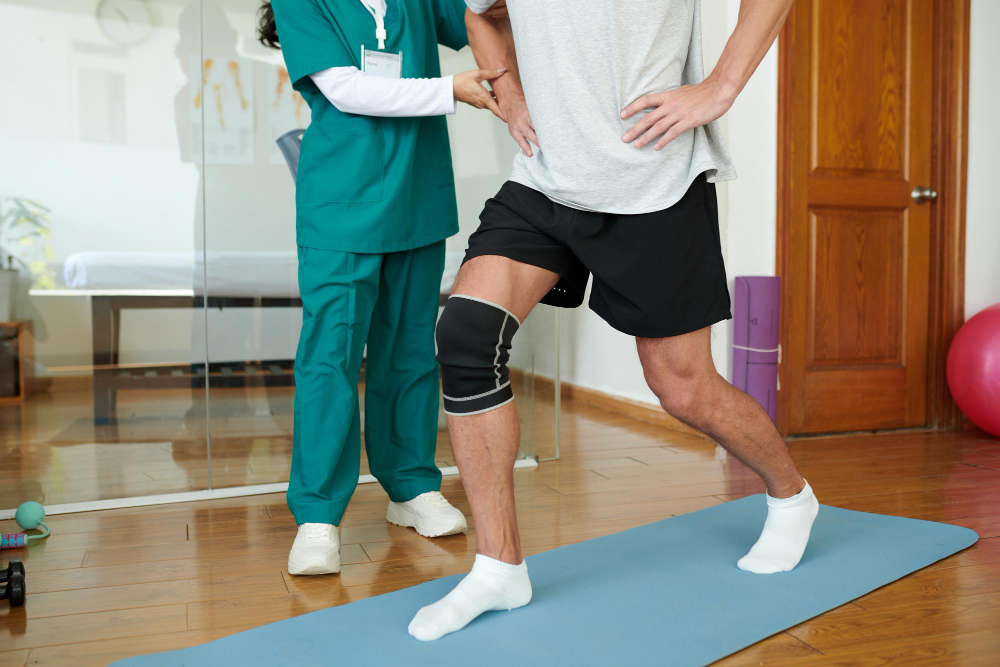
After surgery, your knee needs time and care to heal. Rehab helps you regain strength and movement. For example, physical therapy after ACL surgery can lower pain and swelling. In addition, it helps you walk and move safely again. Without rehab, the knee may stay weak or stiff. According to the CDC, proper rehab lowers the risk of future injuries. Because of this, following your rehab plan is vital for long-term knee health.
Key Phases of Rehab After ACL Surgery
Rehab After ACL Surgery happens in steps. Each phase has its own goals. While each person heals at a different pace, most recovery plans include these phases:
Throughout each phase, your care team will check your progress. They may adjust your plan as needed. The recovery timeline for ACL surgery can range from six months to a year, depending on your goals and health.
Common Exercises and Techniques
Physical therapy after ACL surgery uses many exercises. These help restore knee strength and movement. For example, you may start with simple movements and progress to harder tasks. Some common rehab exercises include:
In addition, your therapist may use ice, heat, or massage to manage pain. As you improve, they will add new exercises to match your needs. According to the American Academy of Orthopaedic Surgeons, regular exercise is key for a safe recovery.
Tips for a Successful Recovery
Recovering from ACL surgery takes time and effort. However, there are ways to help your progress. Consider these tips:
Because each person heals differently, your plan may change. Always talk to your therapist before trying new activities. This helps prevent setbacks.
Signs of Progress and When to Seek Help
During rehab, you should notice small improvements each week. For instance, you may walk better or feel less pain. Other signs of progress include:
However, sometimes problems can occur. Contact your doctor if you notice:
Early help can prevent bigger issues. Therefore, always share concerns with your care team.
Preventing Re-Injury After ACL Surgery
Once you finish rehab, it is important to protect your knee. For example, always warm up before exercise. In addition, use proper form during sports and daily tasks. To lower your risk of re-injury, consider these steps:
According to the CDC, ongoing exercise and safe habits help keep your knee strong. With care and attention, you can enjoy an active life after ACL surgery. Prioritise your well-being with trusted guidance and compassionate care. Connect with Dr.Lavanya Telagani