What Is Toning Pilates?
Toning Pilates is a style of exercise that focuses on shaping and strengthening your body. Unlike traditional weightlifting, toning Pilates uses your own body weight, small props, and controlled movements. As a result, you can build muscle and improve your posture without lifting heavy weights. Many people choose toning Pilates for its gentle, low-impact approach. In fact, it is safe for most ages and fitness levels. This method combines stretching, balance, and strength training. Because of this, it is a popular choice for those seeking a full-body workout.
Key Benefits of Toning Pilates
Toning Pilates offers many health benefits. For example, it helps you build lean muscle and burn calories. In addition, it can improve your flexibility and balance. Here are some key benefits:
Moreover, the Centers for Disease Control and Prevention (CDC) notes that regular exercise helps lower the risk of chronic diseases. Toning Pilates is a great way to meet these exercise goals.
How Toning Pilates Sculpts and Strengthens the Body
First, toning Pilates uses slow, controlled movements to target specific muscle groups. Instead of lifting heavy weights, you use your own body weight or light props like bands and balls. This approach helps you build muscle without putting stress on your joints. For instance, many exercises focus on the core, hips, and glutes. Over time, these movements help sculpt and define your muscles. Additionally, Pilates for muscle sculpting can improve your strength and endurance. Because of its focus on control and balance, you may also notice better posture and stability.
Common Exercises in Toning Pilates
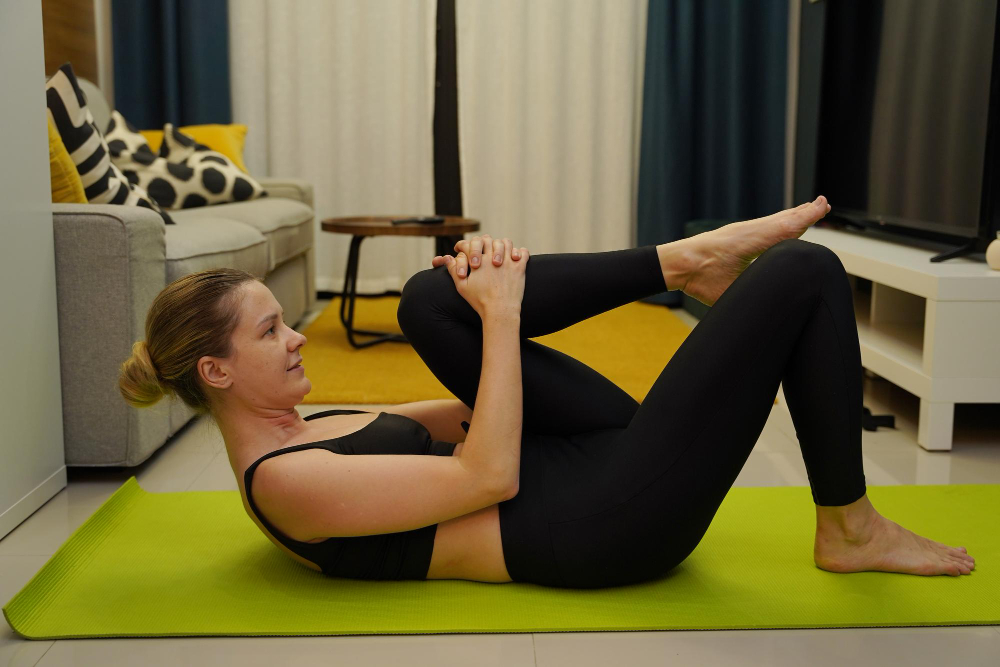
There are many low-impact Pilates exercises you can try. Each one works different parts of your body. Here are some common exercises:
Furthermore, you can do these exercises on a mat at home. Some people add light resistance bands for extra challenge. Always focus on slow, steady movements for best results.
Who Can Benefit from Toning Pilates?
Almost anyone can benefit from toning Pilates. For example, beginners find it easy to start because it is gentle on the body. Older adults often enjoy Pilates for its low-impact nature. Even athletes use Pilates to improve flexibility and core strength. In addition, people with joint pain or those recovering from injury may find Pilates helpful. However, it is wise to check with your doctor before starting any new exercise program, especially if you have health concerns.
Safety Tips and Precautions
While toning Pilates is safe for most people, there are a few things to keep in mind. First, always warm up before you begin. This helps prevent injuries. Next, listen to your body and stop if you feel pain. It is important to use proper form during each exercise. If you are unsure, consider taking a class with a certified Pilates instructor. They can show you the right way to move. Also, start with simple exercises and add more as you get stronger. According to the World Health Organization (WHO), regular, safe exercise supports long-term health.
Getting Started with Toning Pilates at Home
Starting toning Pilates at home is simple. You do not need expensive equipment. In fact, a yoga mat and comfortable clothes are enough for most exercises. Here are some tips to help you begin:
As you gain confidence, you can try new exercises or add light props. Remember, consistency is key for seeing results with Pilates for muscle sculpting. Over time, you will notice your body becoming stronger and more toned, all without heavy weights.